Reviewed 27 October 2026
We may earn a commission from eligible bookings made through our links, at no extra cost to you. We explain practical trade-offs so you can choose a trip that fits. Prices, availability and cancellation terms are set by the provider.
A hong is a landscape, not a standard attraction
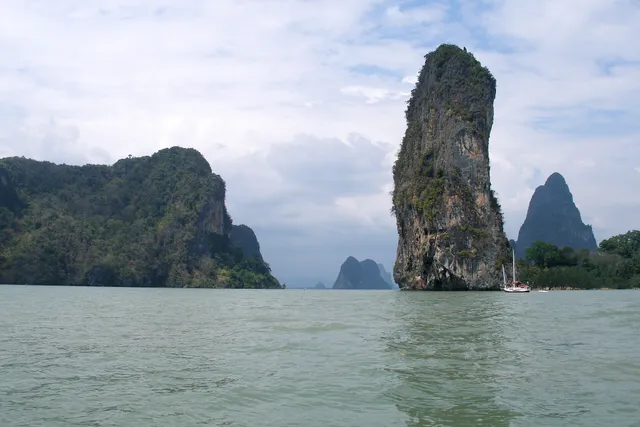
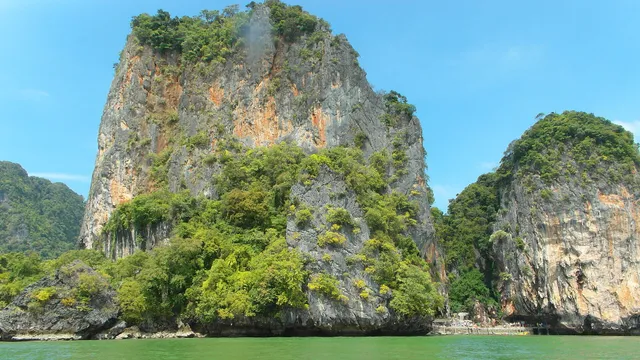
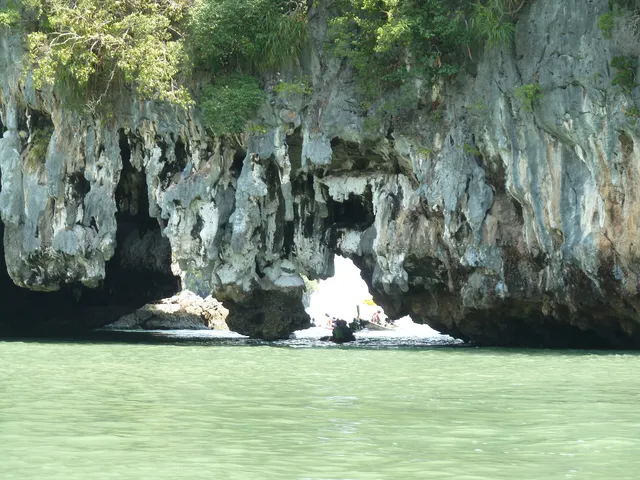
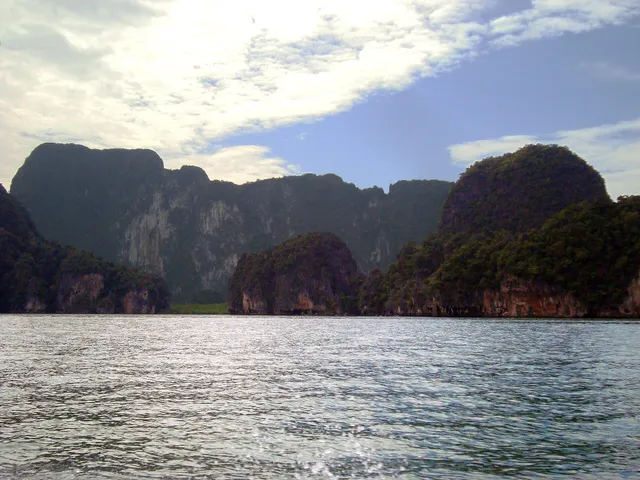
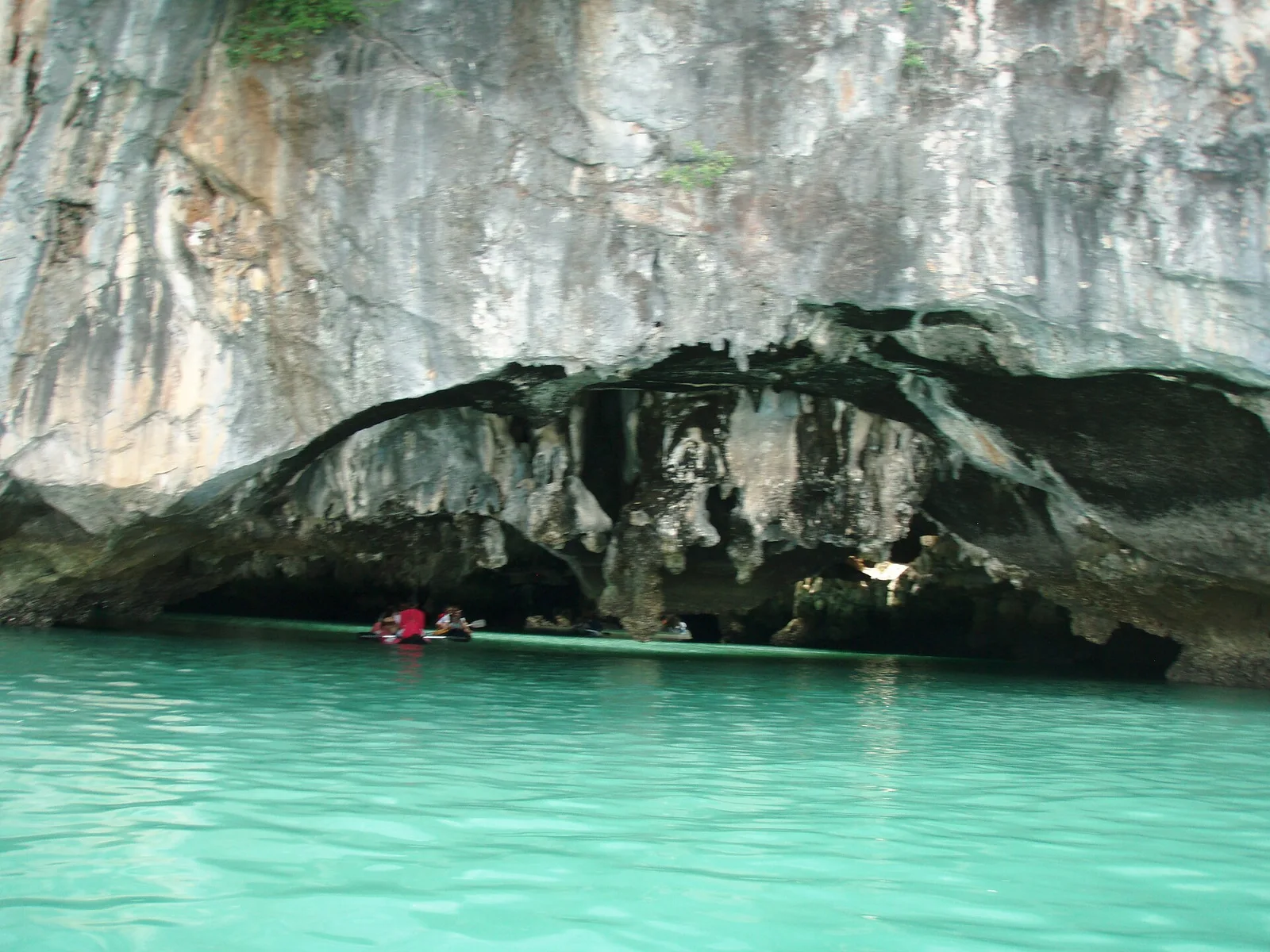
Hong means room. In this setting it describes an enclosed limestone chamber or lagoon, often open to the sky. Some are approached through tidal caves; other canoe routes run beside cliffs or through mangroves. A photograph of one tunnel does not mean every operator enters that exact passage.
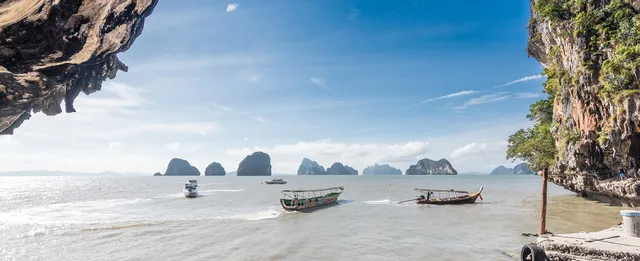
The larger boat serves as a base between outings. That combination is the attraction: you travel across the bay with space for food and bags, then explore at water level. A programme with several canoe sessions can be more immersive than an island circuit that adds a short kayak stop at the end.
Panak, Hong and Talu: read the names together
Place names are transliterated in different ways, including Panak or Phanak and Talu or Thalu. Use the neighbouring stops and departure point to establish the route. The table describes the emphasis of the featured itineraries; it is not a promise that every cave is accessible on your day.
| Route wording | What it usually signals | Useful question |
|---|---|---|
| Panak and Hong in Phang Nga Bay | Limestone caves and enclosed spaces visited from a support boat | How many separate canoe outings are planned? |
| Talu or Tham Lot with a mainland longtail | A canoe component within a sightseeing and village circuit | Is this included or a locally paid addition? |
| Hong with Lao Lading, Pak Bia and a viewpoint | The Krabi Hong island group, a different outing | Is this a beach-and-lagoon trip rather than Phang Nga cave canoeing? |
Why there is no universal best tide
Higher water can reduce the clearance beneath a cave roof; lower water can make a different entrance too shallow. The size of the craft, the passage itself and the conditions outside also matter. This is why a low-tide or high-tide label cannot tell you that every hong is open.
John Gray’s official Hong by Starlight programme explicitly changes with the tides. That is useful evidence about the way the activity works, not an endorsement of treating a tide chart as permission to enter a cave. Let the crew choose the route and accept a substitute lagoon when the original passage is unsuitable. The best question is how the operator plans its canoe sessions around conditions, rather than which exact tunnel it guarantees.
Guide-paddled canoes and self-paddling are different
In a guide-paddled outing, you sit with a paddler who handles steering and the approach to the cave. A self-paddle session gives you the paddle in an approved area. A listing can offer both at different points. Confirm the arrangement if you want active paddling rather than being taken through the scenery.
Ask how your group will be divided between canoes. Two adults travelling with a child should not assume they can all share one boat; the operator decides the safe arrangement. If your main wish is photography, guide-paddling can be helpful because your hands are free, but keep camera equipment compact and secured.
The physical part is often the transfer
No kayaking experience does not mean no physical requirements. Stepping from the support boat into a canoe, sitting low, moving at a landing and following instructions in a low passage are different tasks. Before paying, describe what a traveller can and cannot do instead of asking only whether the activity is easy.
For someone who dislikes enclosed spaces, ask whether an open-water or mangrove route is available and whether they can remain on the support boat for a cave session. Families should establish life-jacket sizing and supervision arrangements in advance. A boat photograph is more useful for judging the transfer than a beautiful photograph of a lagoon.
A useful way to allocate your canoe day
For a cave-led day, prioritise repeated canoe outings over extra distant stops. Our editorial preference is one daytime session for the limestone landscape and another contrasting session, such as mangroves or twilight, with a proper break between them. This is a way to compare programmes, not a fixed schedule.
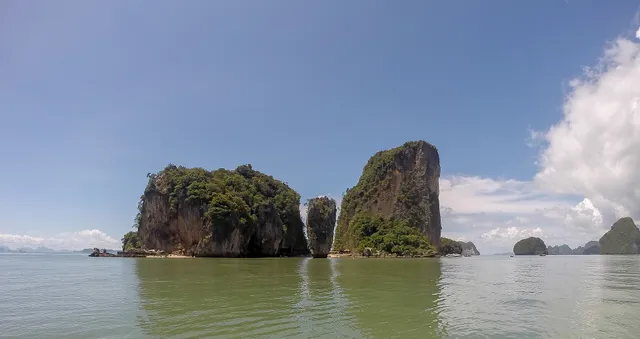
If you want James Bond Island as well, establish whether that means a landing or an offshore view. An operator can devote more time to caves precisely because it skips a busy landing. Visitors who mainly want the film-location photograph may be happier with a general bay circuit that includes canoeing.
Photograph the setting without disturbing it
Bring the camera or phone you can put away quickly. A dry bag protects equipment only when properly closed; keep it secured, and do not leave it open while waiting for a shot. Clean a wet lens on the support boat rather than fumbling with cloths inside a passage.
Stay seated when asked, keep hands away from rock walls and do not touch cave formations. Watch wildlife from the route the guide chooses, without feeding animals or using a bright light to make them turn toward you. In a dark passage, another visitor’s flash can be as intrusive as a loud conversation.
Which canoe-focused trip to shortlist
The featured twilight canoe listing is sold by MY Holiday Centre; it should not be mistaken for John Gray’s own operation because both describe caves and evening light. Its current product page combines afternoon and twilight kayaking with meals. The big-boat day provides a daytime comparison, while the speedboat circuit suits travellers who want canoeing alongside several other sights.
Choose for the activity that remains rewarding if the weather is grey: close-up limestone, guiding and time at water level. Treat stars, wildlife sightings and glowing water as possible additions. Neither a new moon nor a premium ticket can guarantee a visible bioluminescent display.
Questions worth asking
Is canoeing in Phang Nga Bay the same as Hong Island in Krabi?
No. Krabi Hong itineraries commonly name Lao Lading, Pak Bia, a beach and a viewpoint. Phang Nga sea-cave itineraries often name Panak and the bay’s Hong area. Use the complete route to distinguish them.
Will I have to paddle myself?
That depends on the programme and session. Many sea-cave experiences use a guide-paddled canoe, while a separate self-paddle period may be offered. Confirm the arrangement on the option you book.
Can I calculate which caves will be open from a tide website?
No. A tide prediction does not establish the clearance, local conditions or safe access of an individual passage. The operator must make that assessment.
Can a non-swimmer join?
Some guide-paddled experiences may accept non-swimmers, but participation is the operator’s decision. State this when booking, confirm correctly fitting life jackets and boarding arrangements, and do not assume a general beginner label is enough.
Sources & editorial notes
Our guides use official tourism, provider and accommodation pages. Routes, opening arrangements and terms can change; confirm your date with the relevant provider.