Reviewed 27 October 2026
We may earn a commission from eligible bookings made through our links, at no extra cost to you. We explain practical trade-offs so you can choose a trip that fits. Prices, availability and cancellation terms are set by the provider.
Break the day into its physical stages
Ask the organiser to describe the route from vehicle to pier, pier to boat, boat to canoe and boat to land. Find out which stages involve steps, high edges, ladders, balancing or wet surfaces. Request current photographs where a verbal description is unclear. A ramp at one marina does not establish step-free access for the whole excursion.
Explain whether someone can walk short distances, climb a step, transfer from a wheelchair or sit on a low seat. Include the dimensions of equipment if relevant. Operators can answer a concrete request more usefully than a general accessibility label, and you can judge whether the proposed assistance suits your party.
Children: fit the itinerary to the youngest traveller
A long transfer followed by several boat changes may be tiring even when the main activity looks gentle. Compare time in the vehicle, shaded rest space, toilet access and the opportunities to return early. Ask about the minimum age for the selected option and correctly sized life jackets; do not infer these from photographs of other families.
If travelling with an infant or a small child, discuss how boarding works while keeping hands free. A pushchair may be useful at the hotel but awkward on a narrow pier or canoe. Confirm whether it can remain securely with the vehicle or organiser rather than carrying it through every stage.
Canoes and enclosed passages
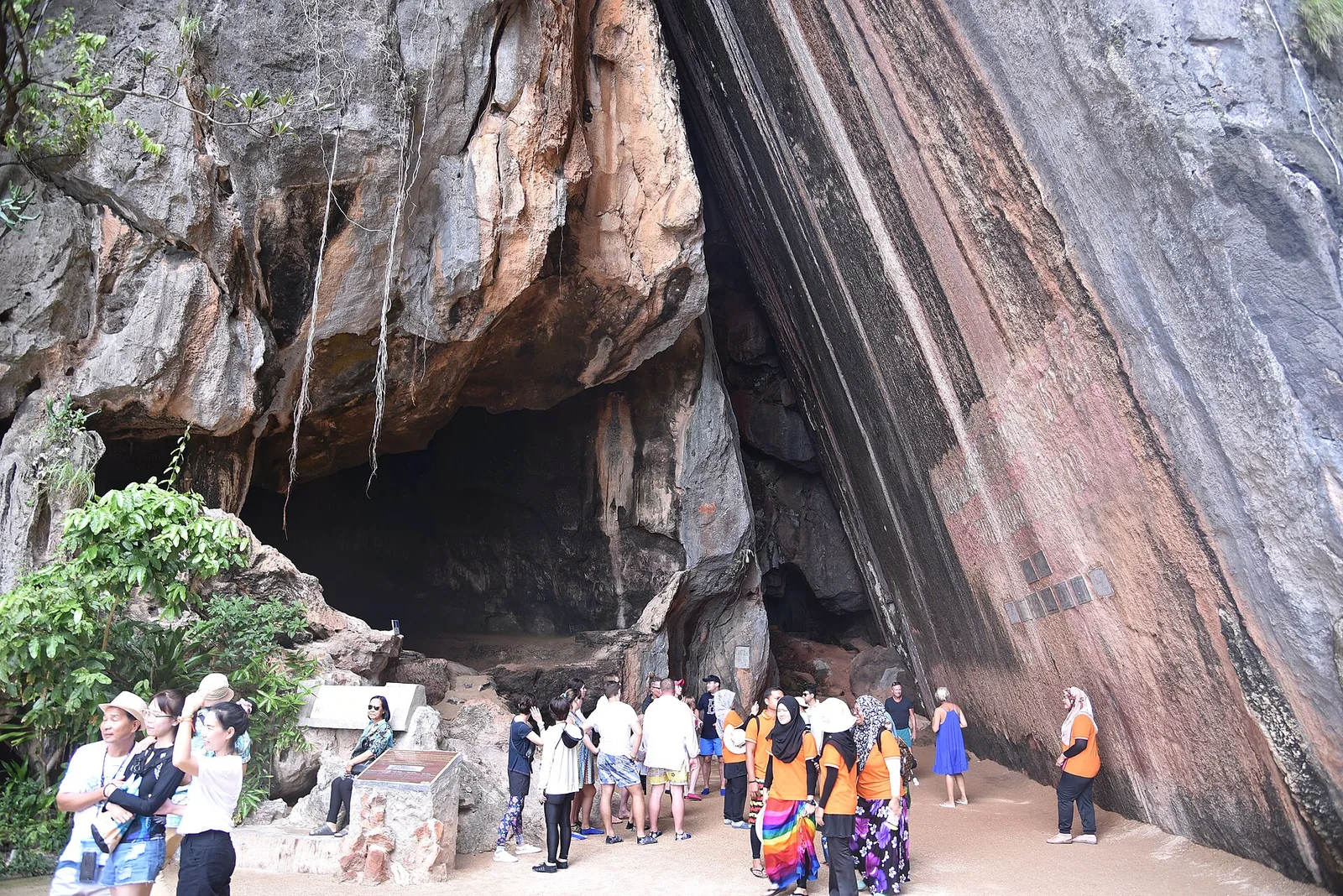
A guide-paddled canoe reduces the need to paddle, but it does not remove the need to get in, sit low and respond to instructions. Some cave routes can be dark or require a different posture. Mention limited movement, claustrophobia or a child's concern about enclosed spaces before booking.
Ask whether an open-lagoon alternative is possible and what happens if one member of the party opts out. Remaining on the main boat may or may not be part of the operator's arrangement. Do not assume a parent can separate from the group without a clear plan for supervision and rejoining.
Comfort on the main boat
Check shade, seating type, usable toilets and how exposed the ride is. A larger vessel may offer more space between activities, but some stops still require another transfer. A speedboat can connect several places efficiently, but the selected operator's health restrictions and sea conditions matter more than a generic promise of comfort.
Tell the organiser about any condition relevant to participation and follow its restrictions. For personal medical advice about pregnancy, recent surgery or other concerns, consult a qualified clinician who understands the planned activity. Choose a format that fits your needs rather than trying to negotiate around a stated exclusion.
Meals, heat and time ashore
Give dietary requirements before departure and ask who prepares the food. A buffet or seafood lunch does not establish allergy controls. For a child who needs a familiar snack, confirm what you may bring and store it securely around wildlife. Keep drinking water accessible and choose sun protection that remains useful during transfers.
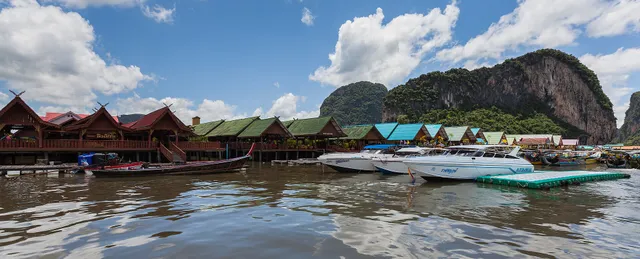
At Koh Panyee, keep children close beside waterfront edges and ask about the walking route after lunch. At James Bond Island, allow time to move carefully through busy areas. If the day includes a temple, pack appropriate clothing so changing plans does not leave you without something suitable to wear.
Choose a shorter or land-based experience when it fits better
A private outing may let you agree fewer stops and a different pace, but it cannot change the pier, water or park constraints at will. Ask for a realistic route and a full quote. Sometimes a viewpoint visit, a mainland cultural day or time at the hotel is a better match than paying more for a boat that remains unsuitable.
Keep the organiser's written response before booking. It should identify the arrangement, any assistance, the stages that remain difficult and the cancellation terms. Good planning does not mean completing every advertised stop; it means selecting an experience the whole party can enjoy comfortably.
Questions worth asking
Does a big boat guarantee wheelchair access?
No. Check the complete sequence, including piers, smaller transfers, toilets and landings.
Can children skip the cave section?
Ask the operator before booking. Confirm supervision, where they wait and how the party rejoins.
Are life jackets available for every age?
Confirm suitable sizes for your specific children and the operator’s age rules. Do not rely on a general equipment list.
Is a private tour always easier?
It can offer a more flexible agreed pace, but physical access and weather constraints remain. Compare the actual boat and route.
Sources & editorial notes
Our guides use official tourism, provider and accommodation pages. Routes, opening arrangements and terms can change; confirm your date with the relevant provider.